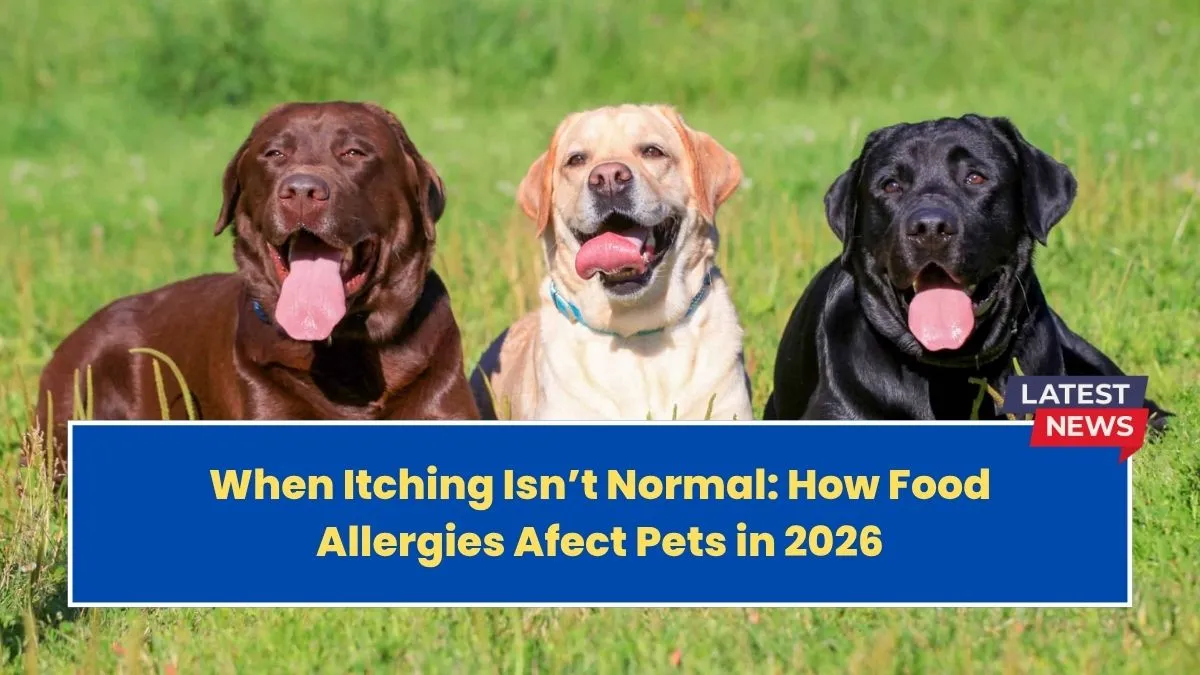
Pet owners often notice their dogs or cats scratching from time to time, but constant itching is not something to ignore. In many cases, ongoing skin irritation can be a sign of food allergies. As awareness about pet health continues to grow in 2026, veterinarians are urging owners to pay closer attention to unusual symptoms linked to diet.
Food allergies in pets are becoming more commonly diagnosed, especially as commercial pet food options expand. While some itching may be harmless, persistent discomfort can point to deeper health concerns that require timely care.
What Are Food Allergies in Pets?

Food allergies happen when a pet’s immune system reacts negatively to certain ingredients in their diet. Instead of digesting food normally, the body treats specific proteins as harmful, triggering an allergic response.
Common allergens include beef, chicken, dairy, wheat, and soy. Even pets that have eaten the same food for years can suddenly develop allergies. This makes it harder for owners to identify the root cause without proper guidance.
Unlike food intolerance, which mainly affects digestion, allergies often show up through the skin. This is why itching is one of the most noticeable signs.
Signs That Itching May Be Serious

Occasional scratching is normal, especially during seasonal changes. However, pet experts say certain symptoms should raise concern. Constant licking, biting, or chewing on paws is often linked to allergies. Red or inflamed skin, hair loss, and recurring ear infections are also common warning signs.
Some pets may develop rashes or hotspots, which can become painful if left untreated. In more severe cases, digestive issues like vomiting or diarrhea may also appear alongside skin problems.
If these symptoms continue for weeks, it is important to seek veterinary advice rather than trying home remedies alone.
Why Food Allergies Are Increasing

Experts believe that changing pet diets and environmental factors are contributing to the rise in food allergies. Highly processed pet foods, artificial additives, and repeated exposure to the same protein sources may increase sensitivity over time.
Genetics can also play a role. Some breeds are more prone to allergies, although any pet can be affected. Indoor living and reduced exposure to natural elements may further weaken immune responses, making pets more sensitive to certain foods.
Diagnosis and Treatment Options
Diagnosing food allergies is not always simple. Veterinarians often recommend an elimination diet, where specific ingredients are removed and slowly reintroduced. This helps identify the exact trigger causing the reaction.
Once the allergen is identified, treatment usually involves switching to a limited-ingredient or hypoallergenic diet. In some cases, medications may be prescribed to control itching and inflammation.
Pet owners are advised not to change diets suddenly without professional guidance, as improper changes can worsen the condition.
Preventing Future Reactions
Prevention starts with careful monitoring of what pets eat. Reading ingredient labels and choosing high-quality food can make a significant difference. Introducing new foods gradually also helps reduce the risk of allergic reactions.
Regular grooming and skin checks can help detect early signs before they become serious. Maintaining a consistent diet and avoiding unnecessary treats with unknown ingredients can further protect pets from flare-ups.
Final Thoughts
Itching may seem like a small issue at first, but it can signal a larger health problem when it becomes constant. Food allergies are a growing concern among pets, and early detection plays a key role in managing them effectively.
By understanding the signs and working closely with a veterinarian, pet owners can ensure their furry companions stay comfortable, healthy, and free from unnecessary discomfort.