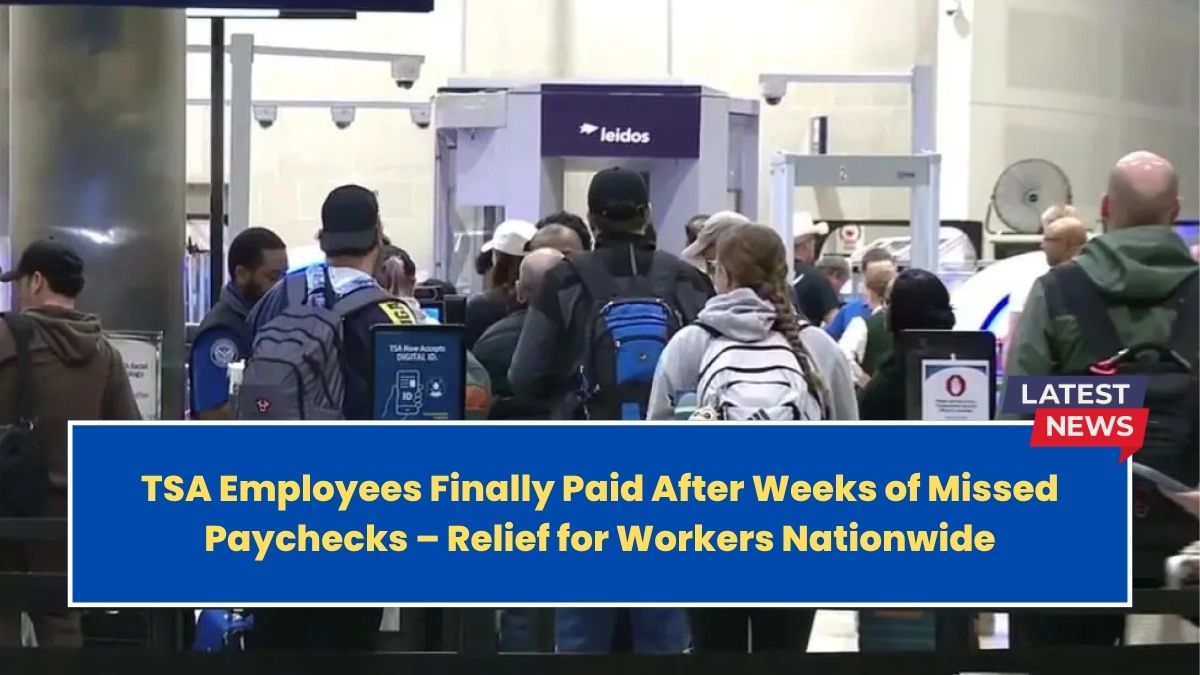
After weeks of uncertainty and financial stress, Transportation Security Administration (TSA) employees nationwide have finally received their long-awaited paychecks. The delay had left many workers struggling to cover essential expenses, including rent, bills, and family needs. This recent development brings a sense of relief to thousands of TSA staff members who have been at the forefront of airport security, ensuring safety amid ongoing national and international travel demands.
The delayed payments sparked widespread concern, highlighting the critical role of federal agencies in supporting their workforce. Employees and union representatives have praised the resolution, while officials have assured the public that steps are being taken to prevent similar disruptions in the future.
The Scope of the Pay Delay

The payment issue affected TSA employees across various airports and security checkpoints nationwide. Many workers reported missing multiple pay periods, creating financial strain and uncertainty about meeting daily obligations.
- Length of Delay: In many cases, employees went without pay for two to three weeks, a significant gap considering their regular monthly expenses.
- Affected Workforce: Both frontline screeners and administrative staff were impacted, emphasizing that the disruption was agency-wide rather than isolated to specific locations.
- Union Involvement: TSA unions actively engaged with federal authorities to expedite payment, advocating for workers who were left without their wages.
The delay highlighted vulnerabilities within the payroll system and raised questions about administrative preparedness during critical periods.
Employee Experiences and Reactions
Many TSA employees shared the challenges they faced during the pay gap. Social media posts and local news coverage revealed the human side of the financial disruption.
- Financial Stress: Employees described having to borrow money or rely on credit cards to cover necessities. Some faced late fees for rent, utilities, and loans.
- Emotional Impact: Beyond financial strain, workers reported heightened stress levels and anxiety, worried about how long the situation might persist.
- Gratitude for Resolution: Once payments were processed, employees expressed relief and appreciation for their colleagues, unions, and the agency leadership who helped resolve the issue.

The delayed paychecks also drew attention to the dedication of TSA workers, many of whom continued performing their duties despite the financial uncertainty.
Agency Response and Official Statements
TSA leadership quickly addressed the issue once it became public, providing assurances to employees and the general public that payroll processing had resumed.
- Immediate Action: Officials confirmed that corrective measures were in place to ensure all affected employees received their overdue wages.
- Communication Efforts: The agency issued statements to clarify the situation, maintaining transparency and minimizing speculation.
- Prevention Plans: TSA is reportedly reviewing payroll systems to prevent similar delays, including enhancements to software, staffing, and oversight protocols.
The agency’s swift response has been recognized as a positive step, although employees and union representatives emphasize the importance of preventing future incidents.
Broader Implications for Federal Workforce

The pay delay has sparked broader discussions about the vulnerabilities of federal payroll systems and the importance of supporting essential workers. TSA employees are not the first to experience such challenges, and similar issues have affected other government agencies during periods of administrative or technological strain.
- Importance of Federal Employees: Workers like TSA screeners play a crucial role in maintaining national security, and disruptions in pay can impact morale and operational efficiency.
- Systemic Challenges: Payroll delays often reveal structural weaknesses in bureaucratic systems, including outdated technology and limited contingency planning.
- Public Awareness: The incident has heightened public understanding of the challenges faced by federal employees, generating empathy and support for those on the front lines.
Experts suggest that modernizing payroll infrastructure and instituting robust contingency plans are essential steps for ensuring continuity and worker satisfaction.
Union Advocacy and Worker Protections
Union representatives played a critical role in advocating for TSA employees during the pay delay. Their efforts ensured that the issue received attention at both federal and agency levels.
- Negotiation and Pressure: Unions engaged with agency officials to expedite payments and minimize ongoing disruption.
- Worker Support: Unions provided resources and guidance to help employees manage financial stress during the delay.
- Policy Recommendations: In addition to resolving the immediate issue, unions are calling for reforms to prevent similar occurrences in the future, including better communication protocols and stronger payroll oversight.
The collaboration between workers and union leadership underscores the importance of organized representation in safeguarding employee rights and well-being.
Community and Public Reactions
The delayed paychecks also drew attention from the public, who expressed concern and support for TSA employees. Social media and news outlets highlighted stories of families affected by the payroll gap.
- Community Support: Local communities and advocacy groups provided assistance to affected workers, including food drives and temporary financial aid.
- Public Recognition: Passengers and citizens expressed appreciation for TSA workers, acknowledging the challenges they endured while continuing to ensure airport security.
- Media Coverage: Extensive media reporting helped maintain pressure on agency leadership to resolve the issue promptly.
Public response emphasized the societal importance of ensuring timely compensation for essential workers.
Steps Taken to Prevent Future Delays
TSA and federal authorities have outlined measures to strengthen payroll systems and avoid future disruptions.
- System Upgrades: Investment in modern payroll technology to reduce errors and improve processing speed.
- Staffing Improvements: Enhanced training and allocation of personnel responsible for payroll management.
- Communication Protocols: Improved channels for notifying employees about delays and providing real-time updates.
- Contingency Planning: Establishment of emergency measures to prevent financial disruption in case of system failures.
These proactive steps aim to ensure the stability of payroll operations, protecting employees from financial uncertainty and boosting morale.
Conclusion
The recent resolution of delayed paychecks for TSA employees brings relief to thousands of workers who have been navigating weeks of financial stress. While the situation exposed vulnerabilities within federal payroll systems, it also highlighted the resilience, dedication, and advocacy of employees and unions. Moving forward, modernization of payroll infrastructure, better contingency planning, and continued support from agency leadership will be crucial in preventing similar disruptions.
As TSA employees return to their duties with overdue compensation finally in hand, the experience serves as a reminder of the vital role federal workers play in maintaining national security and the importance of safeguarding their financial stability. Ensuring that essential personnel are compensated on time is not just a matter of fairness—it is a cornerstone of operational efficiency, morale, and public trust.