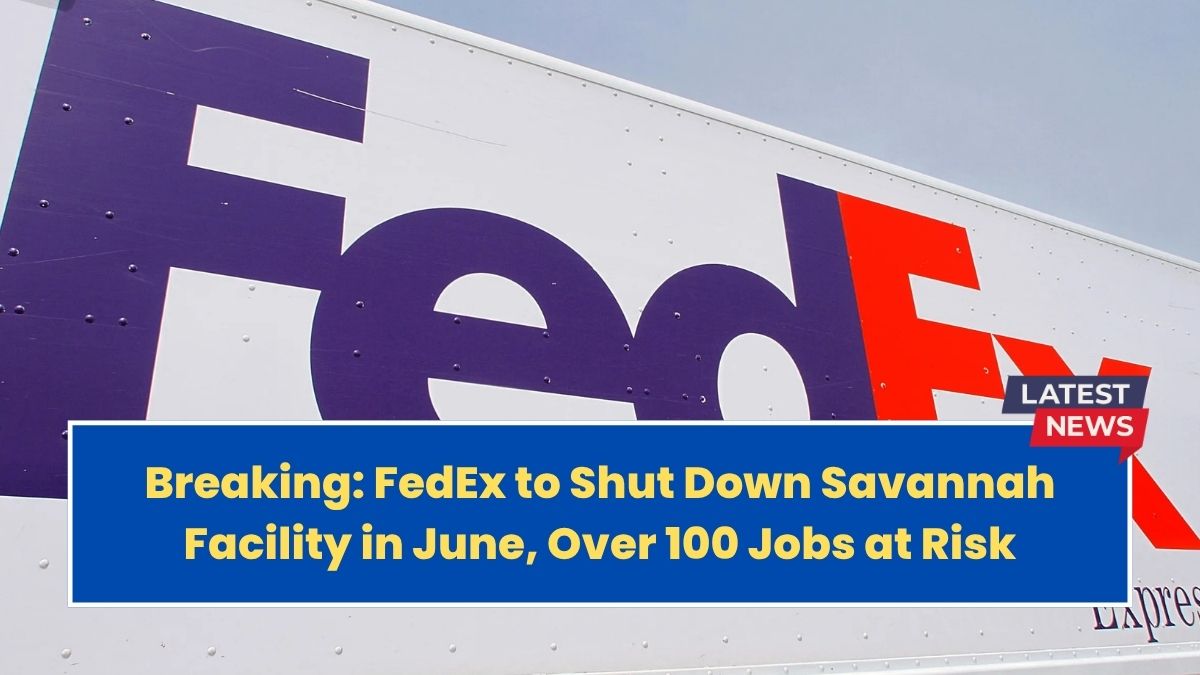
In a significant development impacting the logistics sector and local employment, FedEx has announced the closure of its Savannah facility, scheduled for June. The decision is expected to affect more than 100 employees, raising concerns about job security, economic ripple effects, and the company’s broader restructuring strategy. As one of the world’s leading logistics providers, FedEx’s operational changes often signal deeper shifts within the industry.
This move has sparked discussions among workers, local officials, and analysts about the reasons behind the closure and its long-term implications. While the company has emphasized efficiency and optimization, the human cost of such decisions remains a pressing issue. This article explores the details of the shutdown, the reasons behind it, its impact on employees and the community, and what it could mean for the future of logistics operations in the region.
Why FedEx Is Closing the Savannah Facility

FedEx has cited operational efficiency and network optimization as the primary reasons for shutting down the Savannah facility. In recent years, the company has been actively restructuring its operations to reduce costs and improve delivery speed in an increasingly competitive market. The rise of e-commerce, shifting shipping patterns, and advancements in automation have forced logistics companies to reevaluate their infrastructure.
The Savannah facility, while functional, may no longer align with FedEx’s evolving logistics strategy. The company is focusing on consolidating operations into larger, more technologically advanced hubs that can handle higher volumes with fewer resources. This approach allows FedEx to remain competitive against rivals while maintaining profitability.
Additionally, economic pressures such as rising fuel costs, labor expenses, and fluctuating demand have played a role in the decision. By streamlining its network, FedEx aims to better adapt to market changes and customer expectations.
Impact on Employees

The most immediate and concerning effect of the closure is on the workforce. More than 100 employees are expected to lose their jobs, creating uncertainty for families and individuals who depend on this income.
Key challenges faced by affected workers include:
- Sudden job loss and financial instability
- Difficulty finding similar employment in the same area
- Emotional stress and uncertainty about the future
- Potential relocation if alternative positions are offered elsewhere
FedEx has stated that it will provide support to affected employees, including severance packages and potential opportunities to transfer to other facilities. However, such measures may not fully offset the disruption caused by the closure.

For many workers, especially those who have been with the company for years, the shutdown represents not just a loss of income but also the end of a stable career path.
Economic Impact on Savannah
The closure of the FedEx facility is expected to have a broader economic impact on the Savannah area. Logistics hubs often contribute significantly to local economies by providing jobs, supporting local businesses, and generating tax revenue.
Potential economic consequences include:
- Reduced consumer spending due to job losses
- Negative impact on nearby businesses that relied on facility employees
- Decrease in local tax contributions
- Slower economic activity in the surrounding area
Savannah has been known as a key logistics and transportation hub, thanks to its port and infrastructure. The loss of a major employer like FedEx could temporarily disrupt this ecosystem, although other logistics companies may eventually fill the gap.
Local officials may also face pressure to attract new businesses or provide support programs to help affected workers transition into new roles.
Industry Trends Driving the Decision
FedEx’s move is not an isolated incident but part of a broader trend within the logistics and transportation industry. Companies are increasingly investing in automation, artificial intelligence, and centralized distribution centers to improve efficiency.
Several trends influencing such decisions include:
- Increased reliance on automated sorting and handling systems
- Growth of mega distribution hubs over smaller regional facilities
- Changing consumer expectations for faster delivery
- Intense competition among logistics providers
These trends are reshaping how companies operate, often leading to consolidation and facility closures. While these changes can improve service quality and reduce costs, they also raise concerns about job displacement and workforce adaptation.
Response from the Community and Officials
The announcement has prompted reactions from local leaders, community members, and labor advocates. Many have expressed concern over the loss of jobs and its impact on the local economy.
Community responses include:
- Calls for FedEx to reconsider or delay the closure
- Requests for increased support for affected workers
- Efforts to attract new employers to the area
- Discussions about workforce retraining programs
Local government officials are likely to explore initiatives aimed at mitigating the impact, such as job fairs, training programs, and partnerships with other companies. The goal is to ensure that displaced workers can find new opportunities as quickly as possible.
What This Means for FedEx’s Future
For FedEx, the closure represents a step toward a more streamlined and efficient operational model. The company has been undergoing significant changes in recent years, including cost-cutting measures and network restructuring.
By closing underperforming or strategically misaligned facilities, FedEx aims to strengthen its overall network and improve profitability. This approach may involve further changes in other locations as the company continues to adapt to market demands.
However, such decisions also come with reputational risks. Balancing efficiency with employee welfare and community impact will remain a key challenge for the company moving forward.
Conclusion
The decision to shut down the Savannah facility marks a pivotal moment for both FedEx and the local community. While the move aligns with the company’s broader strategy of improving efficiency and adapting to industry trends, it comes at a significant human and economic cost. More than 100 workers now face an uncertain future, and the local economy must adjust to the loss of a major employer.
As the logistics industry continues to evolve, such changes may become more common, highlighting the need for proactive workforce planning and community support systems. Ultimately, the situation underscores the delicate balance between corporate strategy and social responsibility, a challenge that companies like FedEx must navigate carefully in the years ahead.