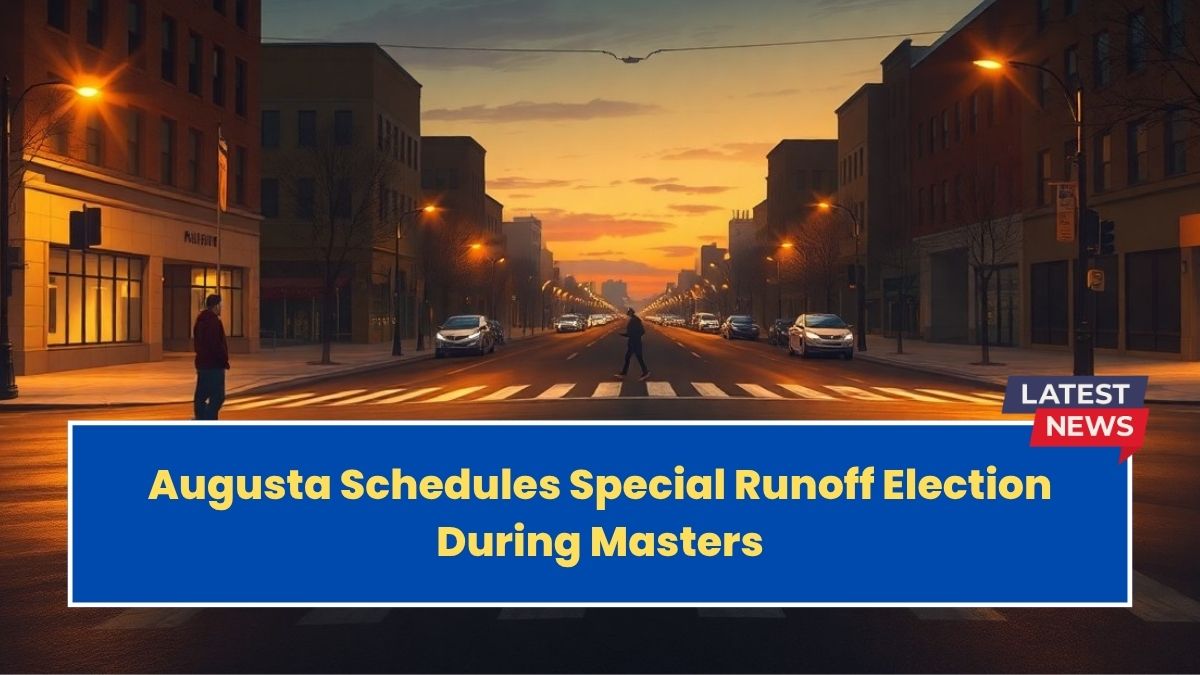
In an unexpected move that has quickly captured public attention, officials in Augusta have announced a runoff election that will coincide with the globally renowned Masters Tournament.
The decision has sparked a mix of concern, curiosity, and debate among residents, election experts, and political observers. With thousands of visitors expected to flood the city for one of golf’s most prestigious events, questions about voter turnout, accessibility, and logistical preparedness have come sharply into focus.
Why the Timing Is Raising Eyebrows

The Masters Tournament is not just a sporting event—it is a major economic and cultural phenomenon that transforms Augusta each year. Hotels fill up months in advance, traffic surges, and local infrastructure operates under intense pressure.
Scheduling a runoff election during this period has led many to question whether the timing could unintentionally suppress voter participation. Critics argue that:
- Residents may be preoccupied with event-related work or travel.
- Increased traffic and congestion could discourage voters from reaching polling stations.
- Temporary visitors may create confusion around polling locations and parking.
Supporters of the decision, however, suggest that the date aligns with legal election timelines and could even increase civic awareness due to heightened media coverage.
What the Runoff Election Is About

Runoff elections occur when no candidate secures the required majority in a general election. In Augusta’s case, the runoff will determine the final winner in a closely contested local race, which could include positions such as:
- City council seats
- Mayoral leadership
- Key administrative roles impacting local governance
These roles directly influence decisions on infrastructure, public services, and economic development—making voter participation crucial despite the unusual timing.
Key Dates and Voting Information
Residents should pay close attention to the election schedule to avoid missing their chance to vote.
- Election Day: Scheduled during Masters week
- Early Voting Period: Expected to begin days or weeks prior
- Absentee Ballots: Available upon request for eligible voters

Local election officials are encouraging citizens to plan ahead and consider early voting options to avoid congestion on election day.
How the City Is Preparing
Officials in Augusta have acknowledged the unique challenges posed by overlapping events and have outlined several measures to ensure a smooth voting process:
- Expanded Polling Hours: Some locations may open earlier or close later.
- Additional Poll Workers: Staff increases to manage higher foot traffic.
- Traffic Coordination: Collaboration with law enforcement to manage congestion.
- Clear Signage: Improved directions to polling stations to reduce confusion.
Authorities emphasize that these steps are designed to maintain accessibility and minimize disruptions for voters.
Concerns From the Community
Local residents and advocacy groups have voiced a range of concerns about the election timing. Among the most frequently mentioned issues are:
- Voter Suppression Risks: Some fear that the busy atmosphere could reduce turnout among working-class voters.
- Equity Challenges: Communities with limited transportation options may face greater difficulties.
- Communication Gaps: Not all residents may be aware of the unusual election date.
Community leaders are urging officials to ramp up outreach efforts to ensure that all eligible voters are informed and prepared.
Potential Impact on Voter Turnout
Historically, runoff elections already experience lower turnout compared to general elections. The added complication of a major international event could amplify this trend.
However, some analysts believe the situation could produce mixed results:
Possible Decrease in Turnout:
- Residents avoiding crowded areas
- Workers tied up in hospitality and tourism jobs
Possible Increase in Engagement:
- Heightened media attention
- Increased civic discussions due to the unusual timing
Ultimately, the real impact will depend on how effectively officials communicate and how proactive voters are in planning their participation.
Tips for Voters
To navigate the unique circumstances, voters in Augusta are advised to take a proactive approach:
- Vote Early: Avoid election-day crowds by using early voting options.
- Check Poll Locations: Confirm your designated polling station in advance.
- Allow Extra Travel Time: Expect delays due to tournament traffic.
- Stay Informed: Follow local updates for any last-minute changes.
Being prepared can help ensure that the excitement of the Masters does not overshadow civic responsibilities.
Broader Implications
The decision to align an election with a major international event raises broader questions about election planning and public policy. Experts suggest that this situation could serve as a case study for future decision-making, particularly in cities that host large-scale events.
Key considerations include:
- Balancing legal timelines with practical accessibility
- Ensuring equitable voter participation
- Leveraging high-profile events for civic engagement rather than disruption
Other municipalities may closely watch Augusta’s experience to inform their own strategies in similar scenarios.
Conclusion
The surprise scheduling of Augusta’s runoff election during the Masters Tournament presents both challenges and opportunities. While concerns about voter access and turnout are valid, the situation also highlights the importance of preparation, communication, and civic responsibility.
For residents, the message is clear: staying informed and planning ahead will be essential to ensuring their voices are heard. As Augusta navigates this unique convergence of democracy and global sport, the outcome will not only shape local leadership but may also influence how cities across the country approach election timing in the future.