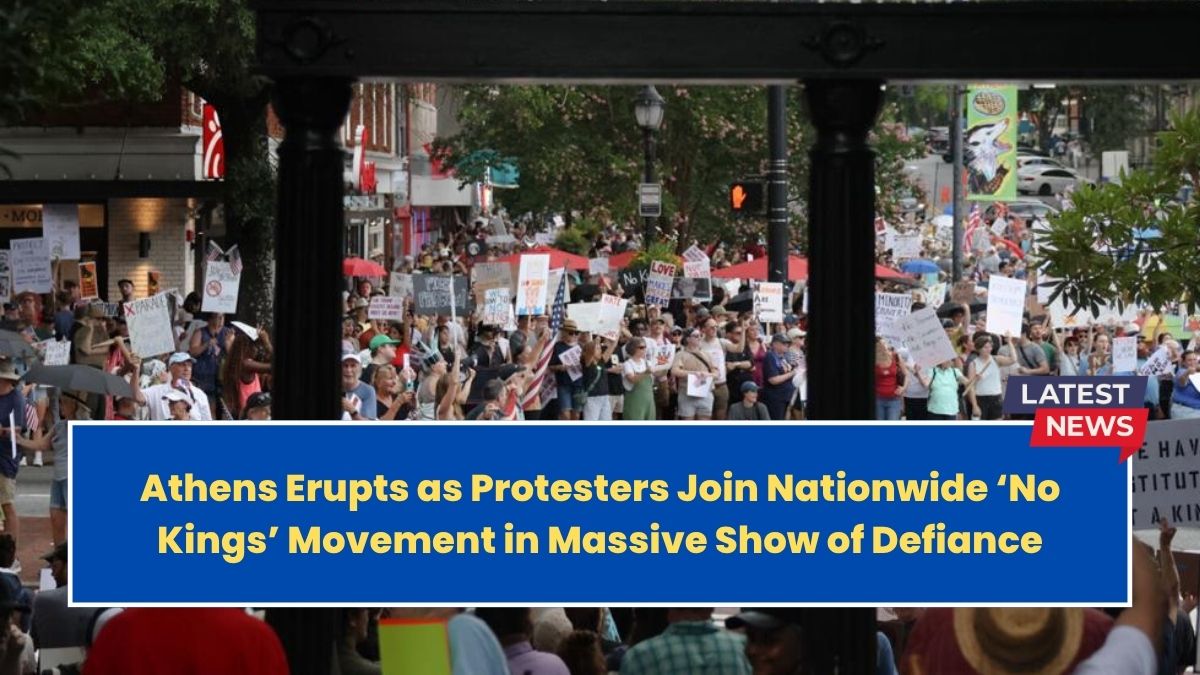
The streets of Athens have once again become a powerful stage for political expression as thousands of demonstrators gathered to join the rapidly expanding “No Kings” movement.
What began as a localized protest against perceived authoritarian governance has now transformed into a nationwide phenomenon, drawing citizens from all walks of life. The protests in Athens mark a significant moment in the country’s modern political climate, reflecting deep-rooted frustrations and a renewed demand for democratic accountability.
The Rise of the ‘No Kings’ Movement
The “No Kings” movement emerged as a response to growing concerns over centralized power, government overreach, and declining public trust in leadership. Protesters argue that decision-making has become increasingly detached from the needs of ordinary citizens, sparking widespread dissatisfaction.
Key factors driving the movement include:
- Perceived erosion of democratic institutions
- Rising economic inequality and cost of living pressures
- Allegations of political corruption and lack of transparency
- Frustration with limited public participation in governance
What distinguishes this movement is its decentralized nature. Rather than being led by a single organization or figure, it thrives on grassroots mobilization, social media coordination, and community-driven activism.
Athens at the Center of the Uprising
Athens, long regarded as the cradle of democracy, has become the symbolic epicenter of this growing resistance. Protesters flooded major squares, including Syntagma Square, chanting slogans, waving banners, and calling for systemic reforms.
The demonstrations were marked by:
- Massive turnout, with tens of thousands participating
- Peaceful marches combined with moments of heightened tension
- Strong presence of youth, students, and working-class citizens
- Visible solidarity among diverse social groups
The choice of Athens is not accidental. Protesters see the city’s historical legacy as a powerful reminder of democratic ideals, making it the perfect backdrop for a movement demanding political renewal.
Voices from the Streets
The protests have amplified a wide range of voices, each reflecting unique concerns yet united by a common demand for change. Participants expressed their frustrations openly, highlighting both personal struggles and broader societal issues.
Common themes among protesters include:
- Economic hardship and job insecurity
- Lack of affordable housing
- Distrust in political elites
- Desire for more inclusive governance
Many demonstrators emphasized that their participation was not driven by ideology alone but by lived experiences. For them, the “No Kings” movement represents a chance to reclaim agency and influence the future direction of their country.
Government Response and Public Reaction
The government’s response to the protests has been closely scrutinized. While officials have acknowledged the right to peaceful assembly, there have been concerns about the handling of large crowds and isolated clashes between protesters and law enforcement.
Public reaction has been mixed:
- Some citizens strongly support the movement, viewing it as necessary for reform
- Others express चिंता over potential instability and economic disruption
- Political analysts warn of long-term implications if grievances remain unaddressed
Authorities have urged calm and dialogue, but protesters insist that meaningful action—not just promises—is required to restore trust.
The Role of Social Media and Digital Mobilization
A defining feature of the “No Kings” movement is its reliance on digital platforms for organization and outreach. Social media has played a crucial role in:
- Coordinating protest locations and times
- Sharing real-time updates and footage
- Amplifying messages beyond national borders
- Encouraging participation among younger demographics
Hashtags associated with the movement have trended widely, turning local demonstrations into a global conversation. This digital momentum has helped sustain the protests and expand their reach.
Economic and Political Implications
The scale of the protests in Athens has raised important questions about the country’s economic and political trajectory. Large-scale demonstrations often carry both immediate and long-term consequences.
Potential impacts include:
- Increased pressure on policymakers to introduce reforms
- Short-term disruptions to business and tourism
- Heightened political polarization
- Opportunities for new political movements or leadership
Experts suggest that how the government responds in the coming weeks could shape the nation’s stability and public confidence for years to come.
A Movement Beyond Athens
While Athens has captured global attention, the “No Kings” movement is not confined to a single city. Similar protests have been reported across the country, signaling a broader wave of discontent.
Key characteristics of the nationwide spread:
- Simultaneous demonstrations in multiple cities
- Consistent messaging centered on accountability and fairness
- Growing participation from rural and suburban areas
- Collaboration between different activist groups
This widespread engagement indicates that the movement resonates deeply with a significant portion of the population, transcending regional and demographic boundaries.
Challenges Facing the Movement
Despite its momentum, the “No Kings” movement faces several challenges that could influence its future effectiveness.
These include:
- Maintaining unity among diverse participants
- Avoiding escalation into हिंसा or unrest
- Translating protest energy into concrete policy change
- Sustaining public interest over time
Movements of this scale often struggle to transition from demonstration to implementation. The coming months will be critical in determining whether this surge of activism leads to lasting transformation.
Conclusion
The massive protests in Athens represent more than just a moment of unrest—they signal a pivotal نقطة in the country’s democratic journey. The “No Kings” movement has tapped into widespread dissatisfaction, bringing thousands to the streets in a unified call for accountability, transparency, and meaningful reform.
As the movement continues to grow, its impact will depend on both the resilience of its participants and the responsiveness of those in power. Whether it leads to significant political change or gradual reform, one thing is clear: the voices echoing through Athens cannot be easily ignored.