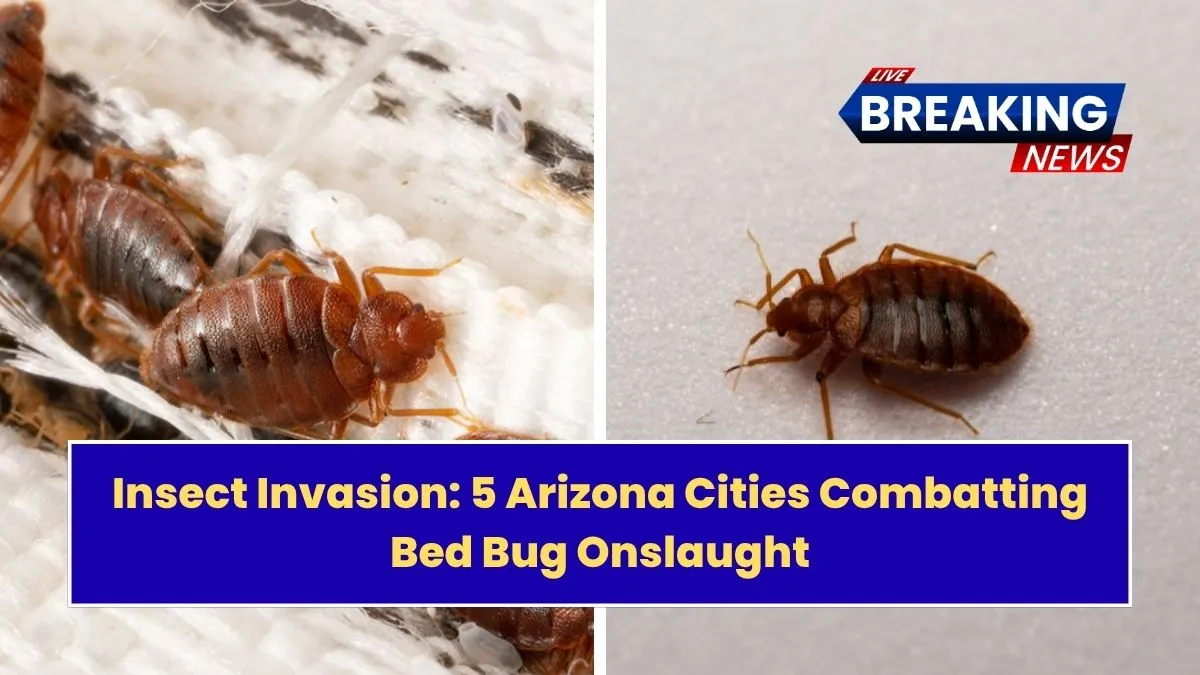
A growing bed bug crisis is sweeping across parts of Arizona, forcing several cities to take urgent action as infestations rise in homes, hotels, and public spaces. Pest control experts and local officials warn that the resilient insects—known for their ability to spread rapidly and resist treatment—are becoming a serious concern in at least five major cities: Phoenix, Tucson, Mesa, Glendale, and Scottsdale.
Authorities say the surge is being fueled by increased travel, warmer temperatures, and a lack of early detection. Bed bugs, small parasitic insects that feed on human blood, are notorious for hiding in mattresses, furniture, and even electrical outlets. Once established, they can be extremely difficult and costly to eliminate.
In Phoenix, the state’s largest city, pest control companies report a sharp increase in service calls over the past year. Apartment complexes and budget accommodations have been particularly affected, with some tenants forced to temporarily relocate during treatment. City officials have responded by launching awareness campaigns, urging residents to report infestations early and avoid bringing secondhand furniture into their homes without proper inspection.
Tucson is facing similar challenges, especially in densely populated neighborhoods and student housing areas. Local health departments are working with landlords to enforce stricter sanitation standards and ensure timely pest control interventions. Educational outreach programs are also being rolled out to help residents identify early signs of infestations, such as bite marks and rust-colored stains on bedding.
Mesa and Glendale have both introduced coordinated response strategies, partnering with pest management professionals to tackle outbreaks more efficiently. In these cities, officials are emphasizing community cooperation, noting that bed bugs can easily spread between units in multi-family housing if not addressed collectively.

Meanwhile, Scottsdale—known for its tourism industry—is taking proactive steps to protect its hospitality sector. Hotels and resorts are increasing inspection frequency and implementing preventive treatments to avoid reputational damage. Tourism officials stress that while the issue is being taken seriously, visitors should remain vigilant but not alarmed.
Experts say one of the biggest challenges in combating bed bugs is their resistance to common pesticides. Many pest control companies are now turning to heat treatments and integrated pest management techniques, which combine chemical and non-chemical methods for more effective results.
Residents across Arizona are being advised to take precautions, including regularly inspecting sleeping areas, washing bedding in hot water, and avoiding placing luggage on beds after travel. Early detection remains the most critical factor in preventing widespread infestations.

While the situation is concerning, officials remain hopeful that increased awareness and coordinated efforts will help curb the spread. “This is not an unsolvable problem,” one pest control specialist noted. “But it requires vigilance, cooperation, and swift action.”
As Arizona continues to battle the bed bug onslaught, the message is clear: staying informed and proactive is the best defense against these unwelcome invaders.