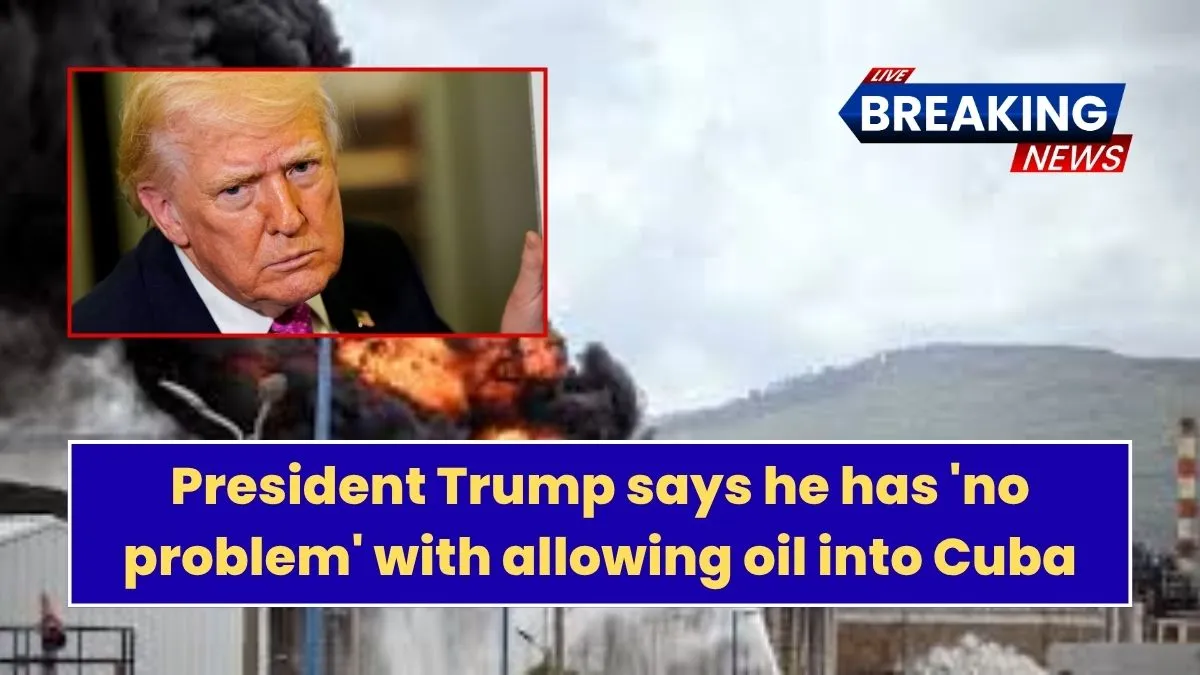
In a dramatic escalation of tensions in the Middle East, Donald Trump has issued a stark warning to Iran, threatening to target the country’s critical power and water infrastructure if a ceasefire agreement is not reached soon.
The warning comes amid an intensifying conflict involving the United States, Israel, and Iran, with fears growing that the situation could spiral into a wider regional war. According to multiple reports, Trump said the U.S. could “obliterate” Iran’s energy grid, oil facilities, and even desalination plants—key systems that provide electricity and drinking water to millions.
Rising Tensions Over Strategic Waterways

At the center of the crisis is the Strait of Hormuz, a vital shipping route through which a significant portion of the world’s oil supply passes. Trump has demanded that Iran fully reopen the strait to international shipping, warning of severe military consequences if it fails to comply.
Earlier statements suggested a strict deadline, with threats of strikes on Iran’s largest power plants if the waterway remained restricted.
Iran, however, has rejected U.S. demands, calling them “unrealistic” and continuing its military operations in the region.
Fears of Humanitarian Crisis
The threat to attack infrastructure essential to civilian life has triggered alarm among international organizations and human rights groups. Experts warn that bombing electricity grids and water facilities could lead to widespread blackouts, disrupt hospitals, and cut off access to clean drinking water.
Environmental group Greenpeace cautioned that targeting Iran’s power systems could even increase the risk of a nuclear disaster, as facilities like the Bushehr nuclear plant rely heavily on stable electricity to operate safely.
Critics argue that such actions could violate international law, which prohibits deliberate attacks on civilian infrastructure.
Iran’s Warning of Retaliation
Iran has responded with its own threats, signaling that it could retaliate by striking energy and water facilities across the Gulf region. Officials warned that any attack on Iran’s infrastructure would trigger a broader response affecting neighboring countries heavily dependent on desalination for water.
Recent reports also indicate that Iranian forces have already targeted infrastructure in the region, underscoring the growing risk of tit-for-tat attacks.
Global Impact and Economic Concerns
The escalating rhetoric has already sent shockwaves through global markets, with oil prices rising amid fears of disruption in energy supplies. Analysts warn that a prolonged conflict could have severe consequences for the global economy, particularly if the Strait of Hormuz remains unstable.
Diplomatic efforts are reportedly ongoing, with U.S. officials claiming progress in negotiations. However, no formal agreement has been reached, and tensions remain high.
Uncertain Path Ahead
While Trump has hinted that a deal may still be possible, his latest threats mark one of the most aggressive stances yet in the conflict. With both sides exchanging warnings and military activity intensifying, the situation remains volatile.
Observers say the coming days will be critical in determining whether diplomacy can prevail—or whether the region edges closer to a broader and more devastating conflict.