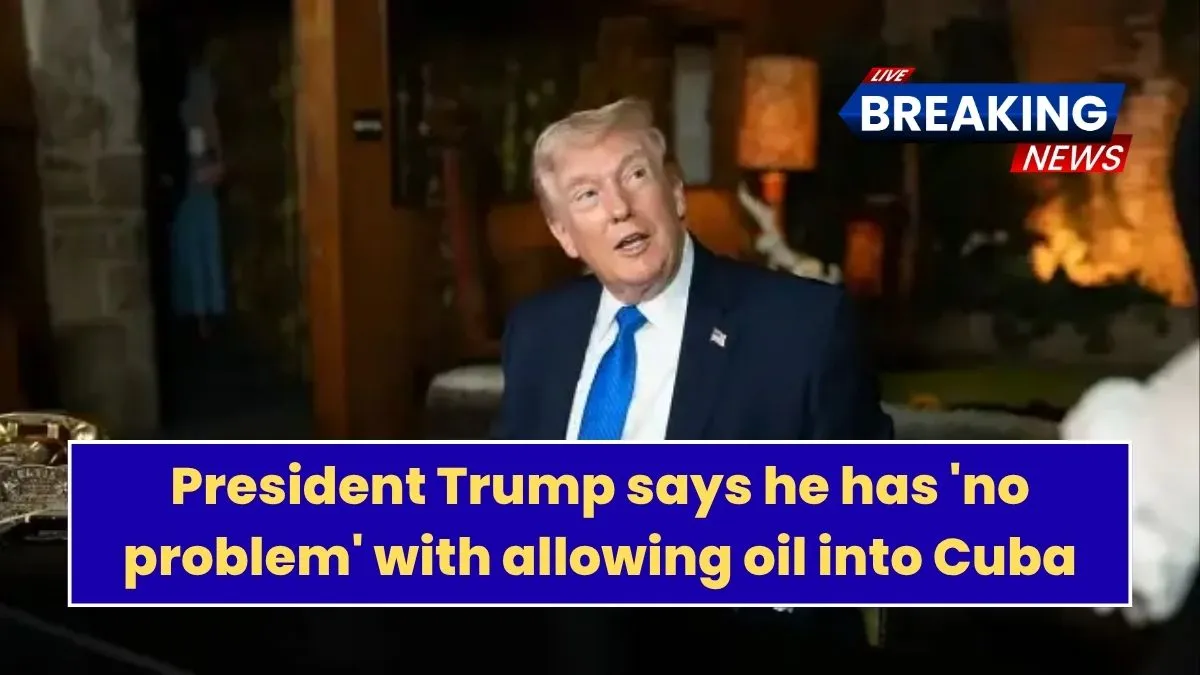
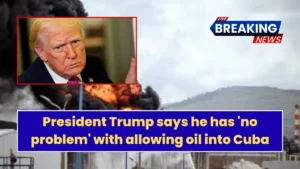
In a statement that could signal a shift in U.S. policy toward the Caribbean, Donald Trump said he has “no problem” with allowing oil shipments into Cuba, sparking debate among policymakers and analysts about the potential implications for energy markets and diplomatic relations.
Speaking during a recent interview, Trump suggested that permitting oil exports to Cuba could serve both economic and strategic interests. “If it makes sense for our energy sector and helps stabilize the region, I don’t see an issue,” he said, adding that such decisions should ultimately benefit American businesses and workers.

The remarks come at a time when Cuba is grappling with ongoing energy shortages, which have led to frequent power outages and economic strain across the island. Analysts say that access to a more consistent oil supply could help alleviate some of these challenges, particularly as global energy markets remain volatile.
Historically, U.S.-Cuba relations have been marked by decades of tension, including strict trade embargoes that have limited economic exchange. While there were efforts to ease restrictions during previous administrations, policies have fluctuated significantly over time. Trump’s latest comments, therefore, have drawn attention for potentially signaling a more flexible stance on specific trade issues, even as broader political differences remain.
Energy experts note that allowing oil shipments to Cuba could open new opportunities for U.S. producers, particularly at a time when domestic output remains strong. “There’s always interest in finding new markets,” said one industry analyst. “Cuba represents a nearby option that could be logistically feasible if regulatory barriers are eased.”
However, the idea is not without controversy. Critics argue that easing restrictions on oil exports could undermine long-standing efforts to pressure the Cuban government on issues such as human rights and political reform. Some lawmakers have already voiced concerns that such a move might send mixed signals about U.S. foreign policy priorities.
Supporters, on the other hand, contend that targeted economic engagement could foster gradual change while also addressing humanitarian concerns. They point out that energy shortages directly affect everyday citizens, making access to fuel a critical issue beyond politics.
Meanwhile, Cuban officials have not formally responded to Trump’s comments, but the country has previously expressed interest in diversifying its energy partnerships. Cuba has historically relied on imports from allies such as Venezuela, though those supplies have become less reliable in recent years due to economic challenges in the region.
As discussions continue, it remains unclear whether Trump’s remarks will translate into concrete policy proposals. Any move to allow oil exports to Cuba would likely require regulatory adjustments and could face legal and political hurdles in Washington.
For now, the statement has reignited debate over how the United States should approach its relationship with Cuba—balancing economic opportunity, geopolitical strategy, and longstanding ideological differences.