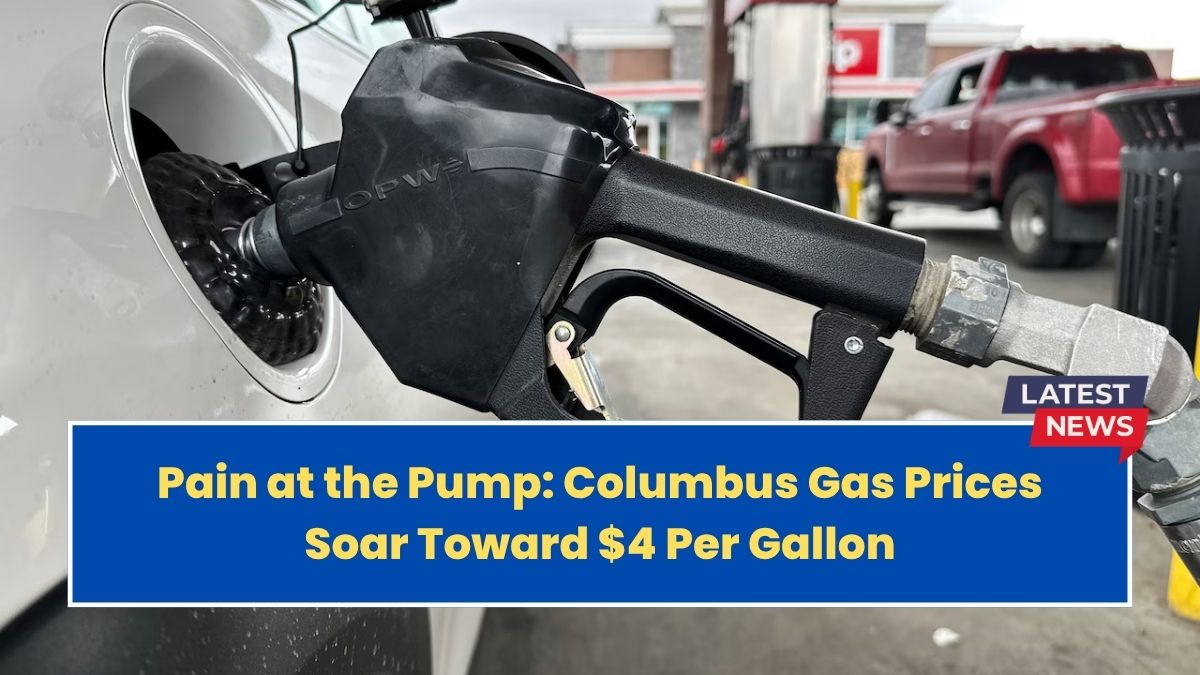
Residents of Columbus are facing a familiar but frustrating trend: rising gas prices that are inching dangerously close to the $4 per gallon mark. For many drivers, this increase is more than just an inconvenience—it’s a growing financial burden that affects daily routines, travel plans, and overall household budgets. As fuel costs climb, questions arise about the causes behind the surge, its broader economic implications, and what drivers can do to cope.
Why Are Gas Prices Rising in Columbus?
The recent spike in gas prices is not happening in isolation. Instead, it is the result of several interconnected factors that influence both local and global fuel markets.

Key reasons behind the surge include:
- Global Oil Supply Constraints: Crude oil prices have risen due to limited production and geopolitical tensions affecting supply chains.
- Seasonal Demand Increase: As warmer months approach, more people travel, increasing fuel demand.
- Refinery Maintenance: Periodic shutdowns for maintenance can temporarily reduce fuel supply.
- Transportation Costs: Rising logistics and distribution expenses also contribute to higher pump prices.
Together, these elements create a perfect storm that pushes fuel costs higher, leaving consumers with fewer affordable options.
Impact on Daily Life
For the average driver in Columbus, the consequences of rising gas prices are immediate and tangible. Commuters, families, and small business owners are all feeling the pressure.

Here’s how it affects everyday life:
- Higher Commuting Costs: Workers who rely on personal vehicles are spending significantly more on daily travel.
- Budget Adjustments: Families are cutting back on discretionary spending to accommodate fuel expenses.
- Reduced Travel: Weekend trips and long drives are becoming less frequent.
- Business Challenges: Delivery services and ride-share drivers are facing shrinking profit margins.
The cumulative effect is a noticeable shift in consumer behavior, with many people becoming more cautious about how and when they use their vehicles.
Economic Ripple Effects
Gas prices don’t just affect drivers—they influence the broader economy as well. When fuel becomes more expensive, it triggers a chain reaction across multiple sectors.

Economic impacts include:
- Increased Cost of Goods: Higher transportation costs lead to more expensive products on store shelves.
- Inflation Pressure: Rising fuel prices contribute to overall inflation, affecting purchasing power.
- Strain on Local Businesses: Small businesses with tight margins may struggle to absorb increased operational costs.
- Consumer Confidence: Persistent price hikes can reduce spending and slow economic growth.
In cities like Columbus, where commuting by car is common, these effects are particularly pronounced.
How Columbus Compares to National Trends
While Columbus is experiencing a sharp increase, it is not alone. Gas prices across the United States have been trending upward, though the rate and impact vary by region.
Comparison highlights:
- Columbus prices are approaching the national average but rising faster than some neighboring areas.
- Urban centers with higher demand often see sharper price increases.
- Regional supply chain differences can cause price disparities.
This means that while the issue feels local, it is part of a broader national and even global trend.
Tips to Save on Fuel Costs
Although drivers cannot control market forces, there are practical steps they can take to reduce fuel expenses and manage the impact of rising prices.
Smart strategies include:
- Drive Efficiently: Avoid rapid acceleration and maintain steady speeds to improve fuel efficiency.
- Carpool or Ride Share: Sharing rides can significantly cut individual costs.
- Plan Trips Wisely: Combine errands to reduce unnecessary driving.
- Maintain Your Vehicle: Proper tire pressure and regular servicing can improve mileage.
- Use Fuel Apps: Compare prices at nearby stations to find the best deals.
Adopting even a few of these habits can lead to noticeable savings over time.
The Role of Alternative Transportation
As gas prices rise, many residents are reconsidering how they get around. Alternative transportation options are becoming more attractive and, in some cases, necessary.
Popular alternatives include:
- Public transit systems
- Biking and walking for short distances
- Electric vehicles (EVs)
- Hybrid cars
While not everyone can immediately switch to these options, the trend toward diversification in transportation is gaining momentum.
What Experts Are Saying
Energy analysts suggest that the current price surge may not be short-lived. While some fluctuations are expected, underlying factors such as global demand and production constraints could keep prices elevated.
Expert insights:
- Prices may stabilize but are unlikely to drop significantly in the near term.
- Seasonal demand will continue to influence short-term spikes.
- Long-term solutions may involve increased investment in renewable energy and infrastructure.
This perspective highlights the importance of preparing for continued volatility in fuel costs.
Government and Policy Considerations
Local and national governments often step in during periods of high fuel prices, though their options can be limited.
Possible measures include:
- Temporary tax relief on fuel
- Strategic release of oil reserves
- Incentives for alternative energy adoption
- Investment in public transportation infrastructure
While these actions can provide some relief, they typically take time to implement and may not offer immediate solutions.
Conclusion
The rise in gas prices in Columbus is more than just a temporary inconvenience—it’s a reflection of broader economic and global dynamics. As prices approach $4 per gallon, residents are being forced to adapt, whether by changing driving habits, adjusting budgets, or exploring alternative transportation options.
While the future of fuel prices remains uncertain, one thing is clear: the impact is real, and it is being felt across households and businesses alike. Staying informed, making smart choices, and preparing for continued fluctuations will be key to navigating this challenging period at the pump.