An identity fraud case first reported at the University of North Georgia (UNG) in December 2025 has expanded into a statewide investigation affecting multiple institutions within the University System of Georgia (USG).
What initially appeared to be an isolated incident quickly revealed signs of a broader scheme targeting students, employees and retirees across Georgia.
How the Fraud Scheme Worked?

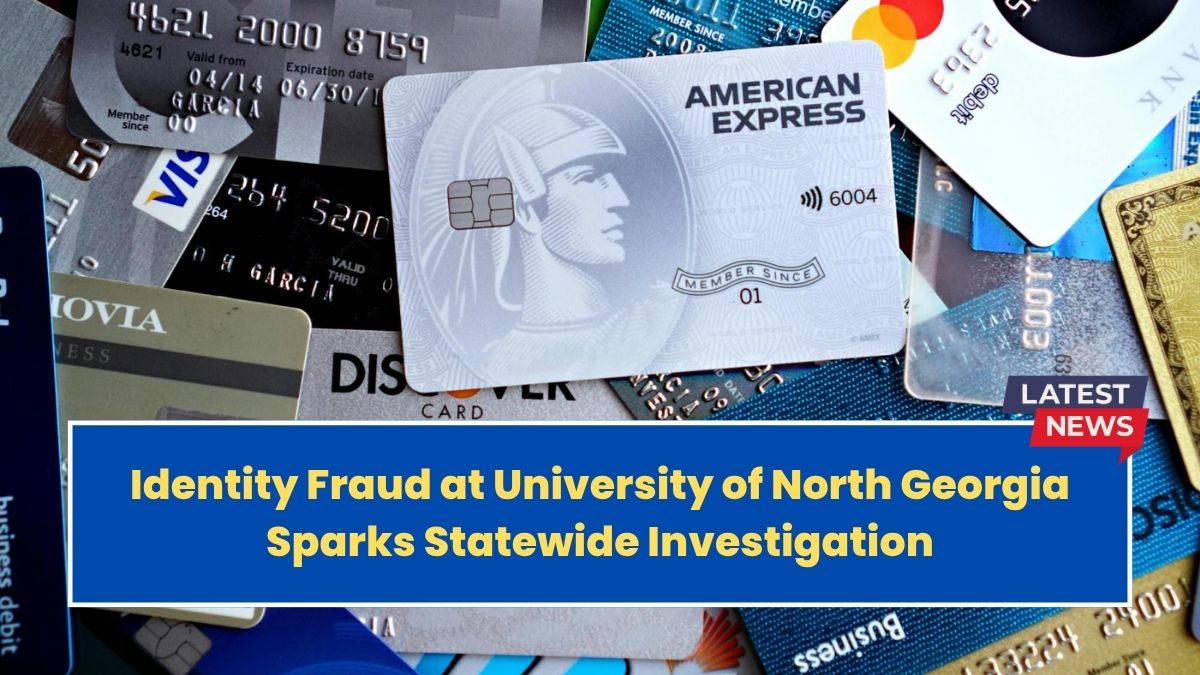
Investigators say cybercriminals used stolen personal information to open OnePay credit card accounts through Synchrony Bank — without the knowledge or consent of the individuals affected.
According to UNG Director of Public Safety and Deputy Chief Operating Officer Greg Williams, detectives realized early on that the pattern of activity extended beyond a single campus.
“It became obvious this was not just one institution,” Williams said.

After coordination with the USG Board of Regents uncovered similar reports at other universities, the case was escalated to the Georgia Attorney General’s Office for a broader investigation.
No Evidence of a New Data Breach
Despite concerns, officials say there is currently no indication of a new large-scale data breach within the university system.
Kerry Stallings, chief of police for the USG Board of Regents, stated that investigators have not identified a single database containing all the information tied to impacted victims.

“So far, our review has found no evidence of a new data breach,” Stallings said.
How Criminals May Have Obtained Personal Information?
Experts say identity fraud does not always originate from major data breaches.
Mona Terry, chief operating officer of the Identity Theft Resource Center, explained that many people underestimate what qualifies as personal identity information.
“It’s usernames, passwords, driver’s licenses — anything you use to access accounts,” Terry said.
She noted that criminals often compile information using publicly available records, previously leaked data and targeted scams.
Williams added that the information used in this case appears to involve basic personally identifiable details — such as names and other information that can sometimes be found through public searches.
The Emotional and Financial Toll of Identity Theft
While financial loss is a major concern, experts warn that identity theft can have lasting psychological and practical consequences.
“The impact can be as minor as frustration and guilt, and as serious as major depression,” Terry said. “It erodes trust in the systems that you’re dealing with.”
Beyond emotional stress, identity fraud can damage credit scores — potentially affecting a person’s ability to rent housing, set up utility services or access financial products.
What USG Is Advising Students and Staff to Do?
University System of Georgia officials are urging students, employees and retirees to take proactive steps to protect themselves:
- Regularly monitor financial statements and credit reports
- Use unique passwords for each account
- Enable multi-factor authentication whenever possible
- Verify suspicious emails or messages directly with the organization involved
If someone discovers an unfamiliar account or suspicious activity, officials recommend filing a report with university police rather than local law enforcement to avoid duplication of investigations.